
Leopard Gecko Knowledge Library
Long-form leopard gecko knowledge focused on genetics, bloodlines, ethical breeding, animal welfare, and long-term reptile stewardship.
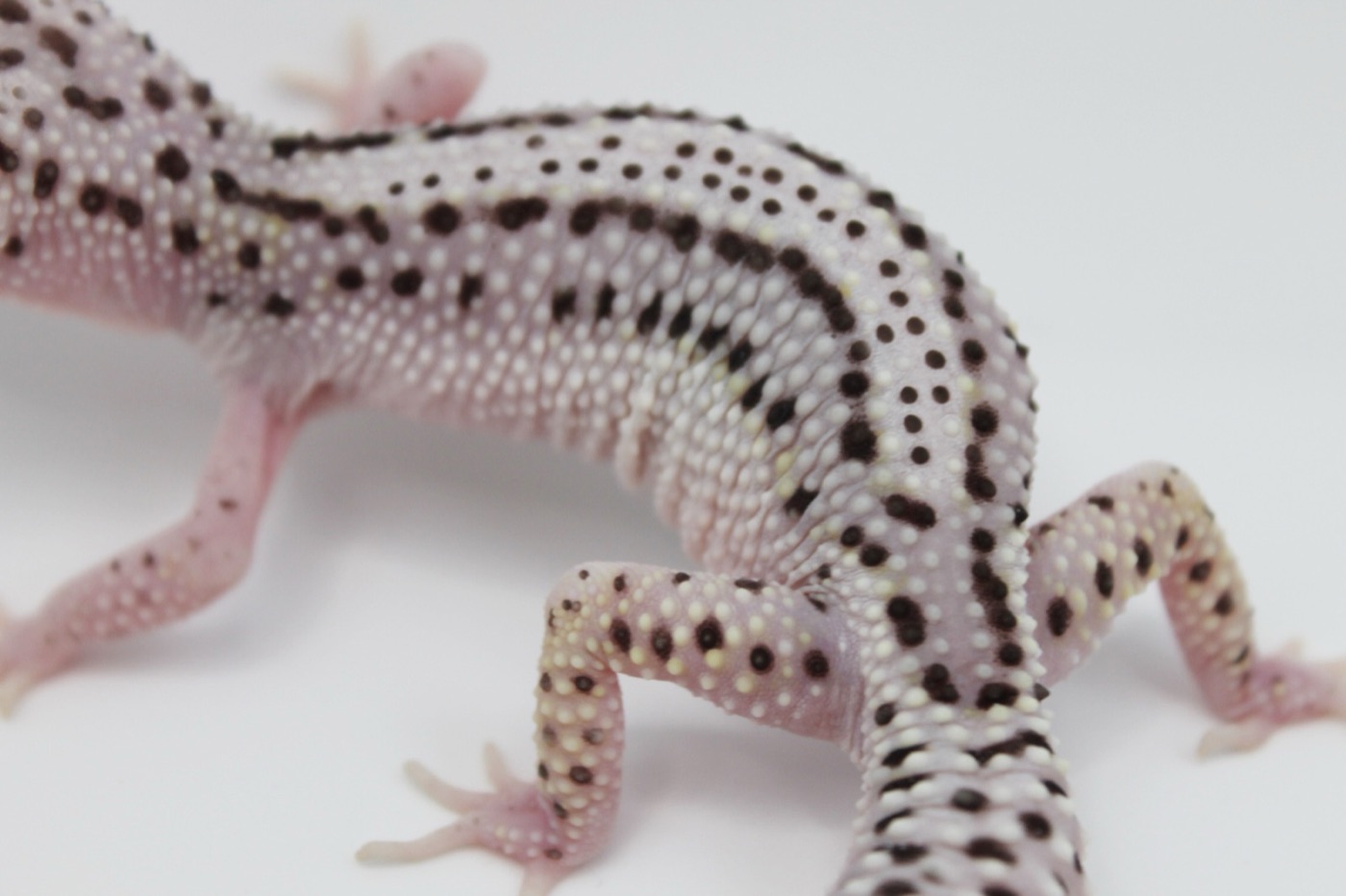
Leopard Gecko Breeding — Expert Guide (Genetics, Ethical Breeding & Long-Term Success)
Expert guide to leopard gecko breeding: genetics, ethical breeding, bloodline vs. morph breeding and long-term genetic stability.
Leopard Gecko – Care Articles
Successful leopard gecko keeping goes far beyond food and temperature. In this section, you'll find evidence-based articles about enclosure design, nutrition, enrichment, environmental parameters, and day-to-day care. Whether you are setting up your first habitat or refining an established collection, these resources are designed to help you provide the best possible environment for your animals.
- Leopard Gecko Feeding & Nutrition GuideWhat to Feed, How Much to Feed, and How to Keep Your Leopard Gecko Healthy for DecadesLeopard geckos are insectivores and should eat a varied diet of appropriately sized feeder insects. Staple feeders such as crickets, roaches, locusts, and …Artikel lesen
- The Complete Leopard Gecko Setup GuideHow to Create an Environment Where a Leopard Gecko Can Truly ThriveAn adult leopard gecko needs a properly heated enclosure with a warm side, cool side, humid hide, multiple shelters, fresh water, safe substrate, and …Artikel lesen
- The Leopard Gecko Care Guide I Wish Existed When I StartedA practical guide to housing, feeding, understanding, and enjoying one of the world's most fascinating reptilesLeopard geckos are one of the best reptiles for beginners because their basic care requirements are straightforward. They need a properly heated enclosure …Artikel lesen
Leopard Gecko – Genetics Articles
Leopard gecko genetics can appear complex at first, but understanding the underlying principles makes breeding decisions far more predictable. Here you will find articles covering inheritance, morph genetics, recessive and dominant traits, linebreeding, and the science behind many of the characteristics seen in modern leopard geckos.
- Leopard Gecko Genetics Explained for BeginnersDominant, Recessive, Polygenic & Line-Bred Traits Made SimpleLeopard gecko genetics may seem intimidating at first, but the basic principles are surprisingly simple.Artikel lesen
- Leopard Gecko Genetics Explained SimplyThe Difference Between Morphs, Bloodlines, and Breeding SuccessOne of the biggest misconceptions in leopard geckos is that a morph and a bloodline are the same thing.Artikel lesen
Common Questions
What is the difference between leopard gecko morphs and bloodlines?
Morphs describe visible genetic traits such as color, pattern, or eye appearance.
Bloodlines refer to long-term selectively bred family lines developed over many generations for consistency, structure, temperament, health, and visual identity.
At Dragoon Gecko, we focus heavily on bloodline preservation and long-term project stability — not only isolated morph combinations.
What makes responsible leopard gecko breeding important?
Responsible breeding helps preserve healthy bloodlines, improve animal welfare, reduce genetic problems, and protect the long-term future of the reptile hobby.
This includes:
- careful genetic selection
- avoiding problematic traits
- maintaining strong genetic diversity
- transparent lineage tracking
- long-term project planning
Every breeding decision shapes the future quality of the species in captivity.
Why do experienced breeders value long-term bloodlines?
Well-established bloodlines offer greater consistency, predictability, fertility, temperament stability, and recognizable visual identity across generations.
Many respected breeders prefer proven lineage-based projects because they often produce more reliable long-term breeding results than trend-driven pairings.
Why is leopard gecko genetics more complex than many beginners expect?
Many important leopard gecko traits are influenced not only by single genes, but also by polygenic selection developed over many generations.
Color intensity, pattern refinement, body structure, fertility, hatchling quality, and long-term consistency are often shaped through years of selective breeding — not simple “mix and match” genetics.
Why does animal welfare matter in modern reptile breeding?
High welfare standards directly influence animal stability, stress levels, feeding response, long-term health, breeding performance, and overall quality of life.
Modern reptile keeping increasingly values:
- enriched environments
- responsible nutrition
- preventative veterinary care
- ethical breeding standards
- transparency and education
Healthy, stable reptiles begin with responsible long-term care.
What makes Dragoon Gecko different from many traditional breeding projects?
Dragoon Gecko combines long-term bloodline preservation, ethical breeding philosophy, transparent genetics, selective project development, and science-based animal care.
The focus is not producing more reptiles — but developing healthy, recognizable, long-term bloodlines with strong structure, stable temperament, and preserved project identity over many generations for both passionated keepers and dedicated breeders.